

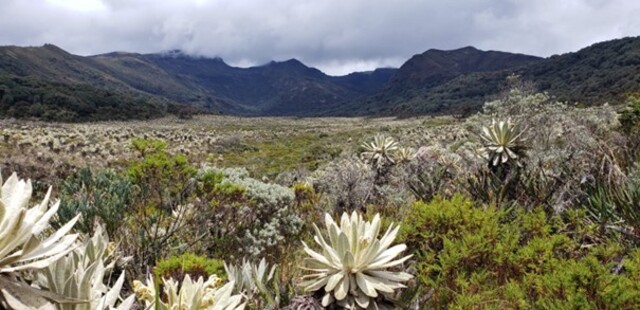
Nariño department of Colombia, April 2026
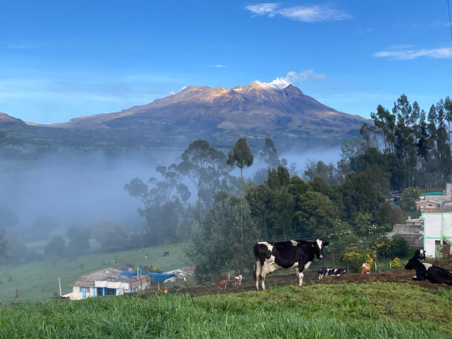
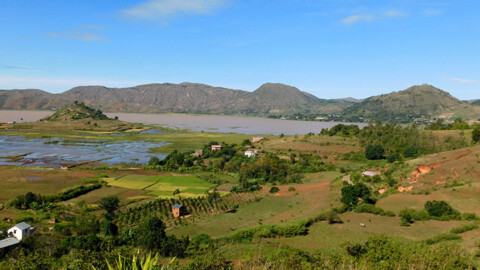
In the Colombian Andes, páramo and alto-Andean forest ecosystems play a strategic role for the country: nearly 70% of Colombia’s water supply comes from these territories. Yet over the past two decades, Colombia has lost 57% of its páramos and around 15% have been converted into pasture or are now used for intensive farming – changes that undermine capacity to regulate water and increase the environmental, social, and economic vulnerability of the communities depending on them. Protecting these ecosystems is therefore not only an environmental imperative, but a prerequisite for water security, food production, and the resilience of rural livelihoods.
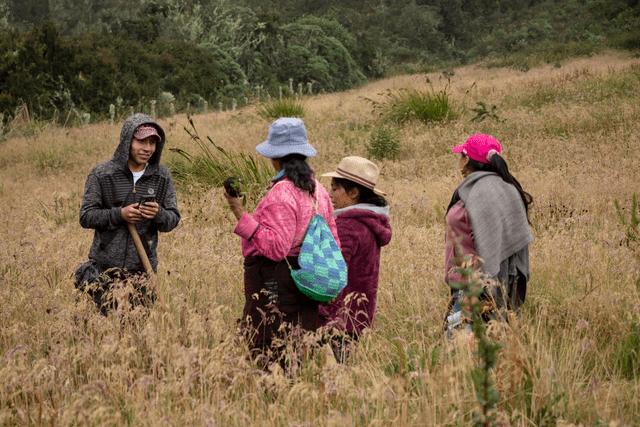
In Nariño, livestock farming is dominated by small family-run farms and remains a cornerstone of the local economy. However, conventional practices are coming under increasing strain due to soil degradation, low productivity, and rising vulnerability to climate change. Shifting rainfall patterns and more frequent frosts affect both crops and livestock, creating uncertainty and threatening household incomes. As Ligia Valenzuela Colimba, an Indigenous woman from the Cumbal territory, explains: “The seasons are no longer predictable. We don’t know when frost or rain will come, and this affects both our animals and our way of life.”
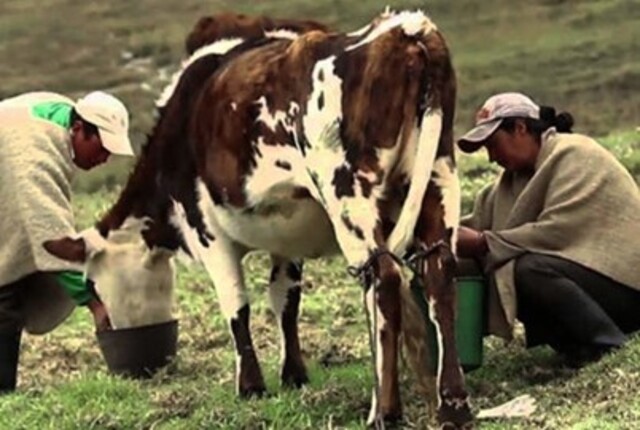
Silvopastoralism, a pathway for a productive transition
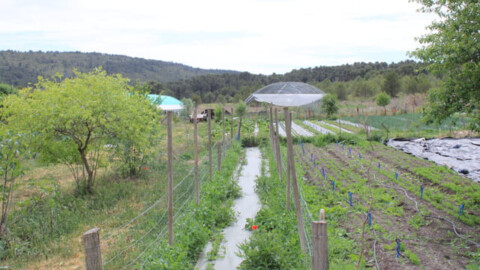
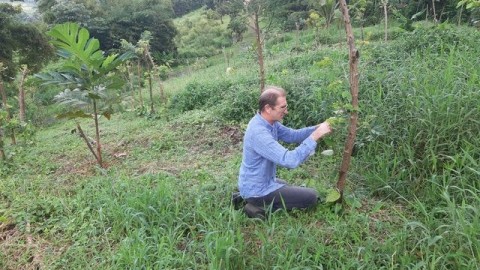
In response to these challenges, silvopastoralism has emerged as a transition strategy that integrates trees, pasture, and livestock within a single system, based on an agroecological approach. This model helps restore soil fertility, reduce erosion, improve animal welfare, and diversify income streams for rural families, while also helping restore crucial ecosystems. Planting trees on smallholders’ grasslands preserves watersheds, restores landscapes, and strengthens the climate resilience of these areas.
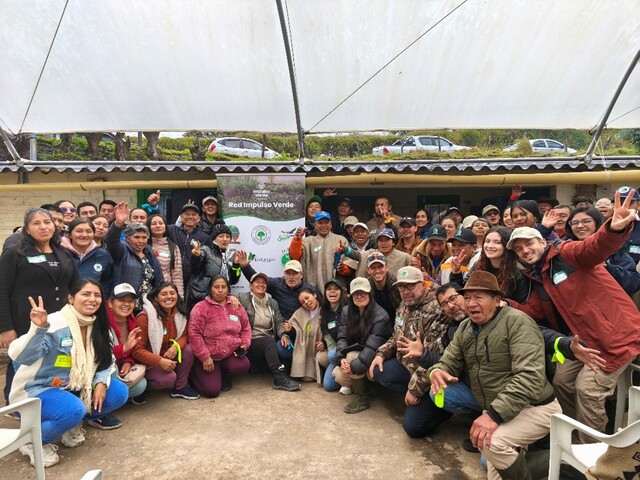
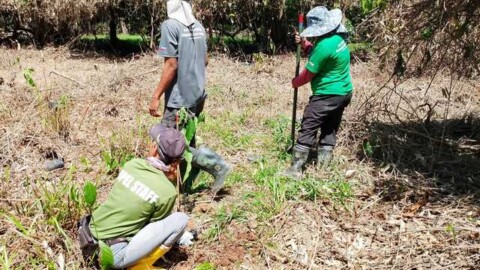
The action starts in Impulso Verde’s community nurseries, A Tree for You’s local partner, where Indigenous and farming communities produce the native plants required for the restoration work. These nurseries are largely led by women and young people, who produce more than 130 native species while also building up local skills and long-term productive autonomy. Camila Moreno, from the Ecoturagro’scommunity nursery, describes how a group of six women, several of them heads of their household, now produces over 40 species to support agriculture, food security, and local biodiversity.
As Wilson Geovanny Taimal, a member of the Pumamaki association, notes, the mindsets of communities are also changing: “Today, native trees are recognised as being essential for water production and the long-term sustainability of the páramos.”
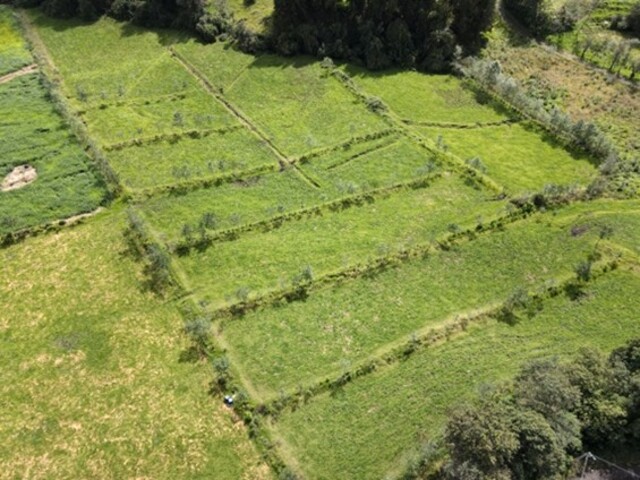
Silvopastoral systems are enhanced by regenerative livestock practices that optimise land use and support restoring biodiversity. Practices like short-duration rotational grazing and planned pasture rest periods significantly boost both fodder production and the resilience of livestock systems to climate-related stress. As Jairo Muñoz, coordinator of Silvopastoral Systems at Impulso Verde, explains, this approach is not merely an agricultural technique, but a genuine economic alternative to deforestation, one that creates opportunities for green livelihoods and sustainably bolsters the incomes of rural households.
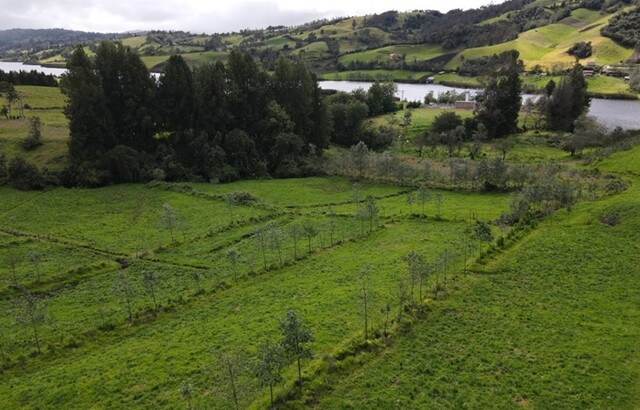
In Nariño, every tree planted in silvopastoral systems offers shade for livestock, yet much more besides: it represents an investment in water resources, biodiversity, and the long-term stability of rural communities. Support from A Tree for You donors has been instrumental in turning this vision into tangible, scalable results, helping to plant the seeds of a sustainable future in one of Colombia’s most strategic regions.