

Spring 2026, Lozère, France – by the A Tree for You team
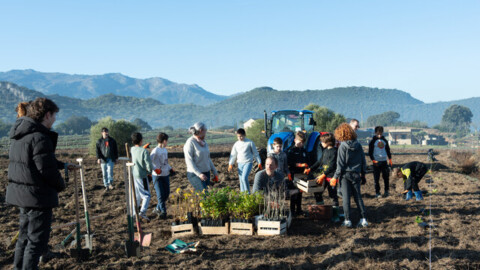
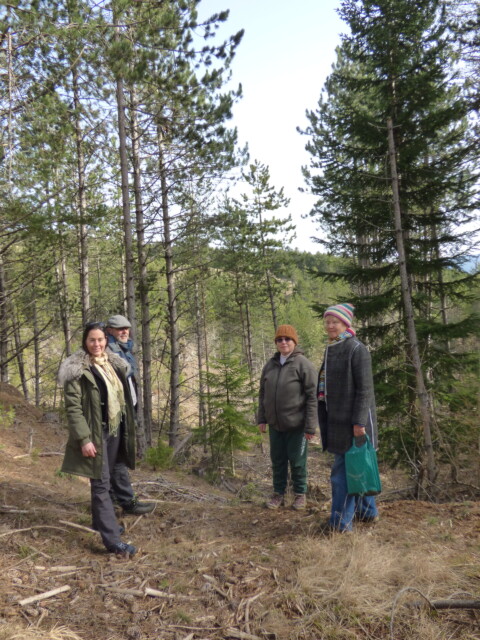
In March 2026, we travelled to the heart of the Cévennes in Lozère, France, to visit the melliferous forest project led by our local partner, the Marinapis La Forêt Mellifère association. Accompanied by two experts from our scientific committee, we surveyed the plots located at an altitude of nearly 1,000 metres, observing the progress of this sanctuary dedicated to protecting the black bee (Apis mellifera mellifera).
‘Islets’ of biodiversity are flourishing
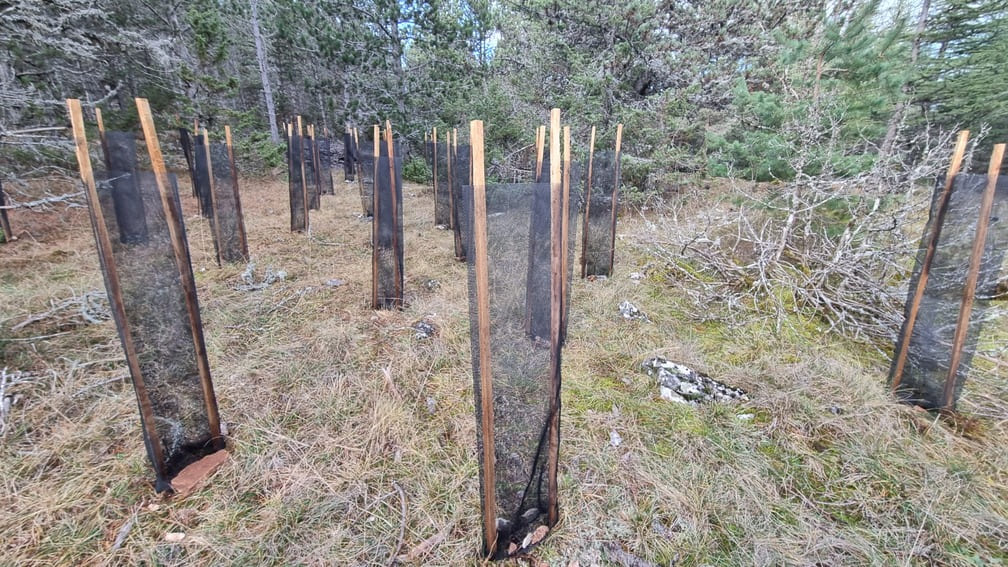
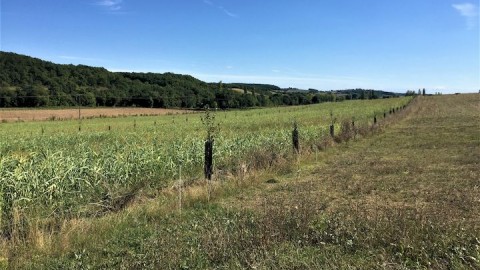
The project is progressing well. The aim is to transform a forest traditionally dominated by a single species, the Austrian black pine, into a diverse ecosystem capable of providing food for pollinators all year round. To achieve this goal, Marinapis uses the ‘islet’ planting technique: small areas are cleared to establish groups of tree species that produce honey, such as chestnut, wild cherry, service tree, and the Corsican alder.
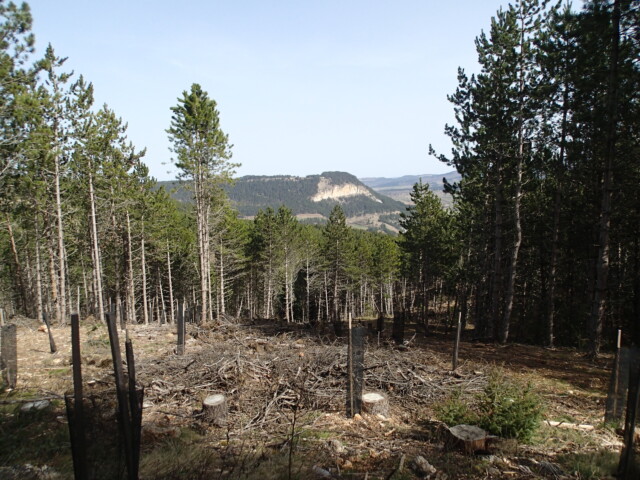
Thanks to this method, bees can forage more efficiently and find large quantities of the same resource in a single place. During our visit, we observed numerous young plants, as well as the noticeable return of a rich herbaceous layer of crocuses, hellebores, and wild strawberries. All signs of a real improvement in soil quality. Nature is reclaiming its rights, and birds returning to the site is a valuable indicator of this positive trend.
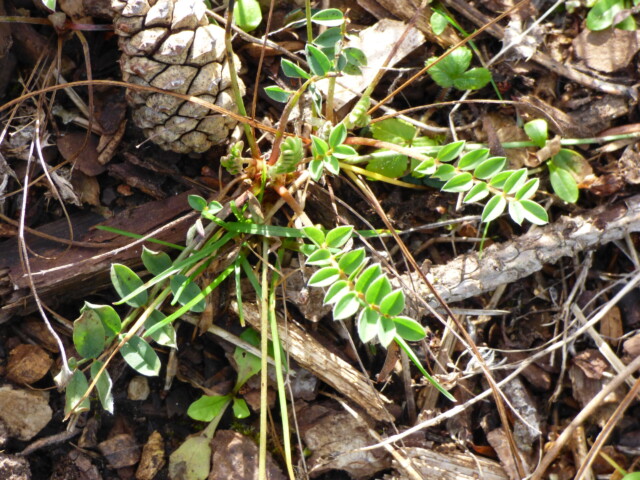
A project rooted locally
Beyond the ecological aspect, the melliferous forest is becoming a real educational space. We were delighted to learn that the site has already welcomed beekeeping students, as well as a primary school class. One touching anecdote, children themselves chose the names for the forest paths, taking inspiration from the names of their dogs!
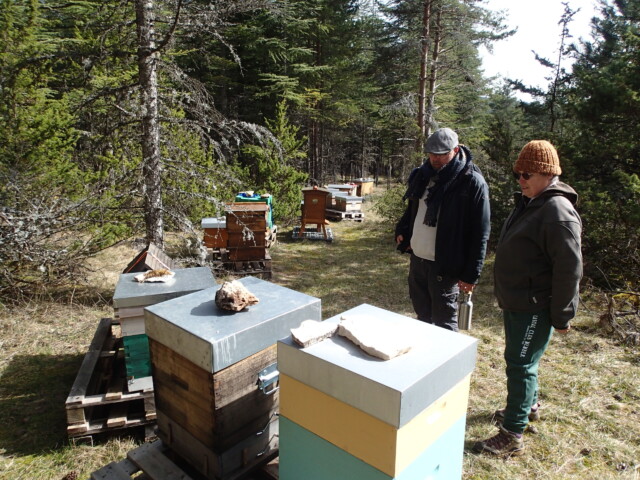
To reinforce this pedagogic aspect, the educational display boards funded by your donations have arrived. They will be installed in the autumn of 2026 to guide future visitors.
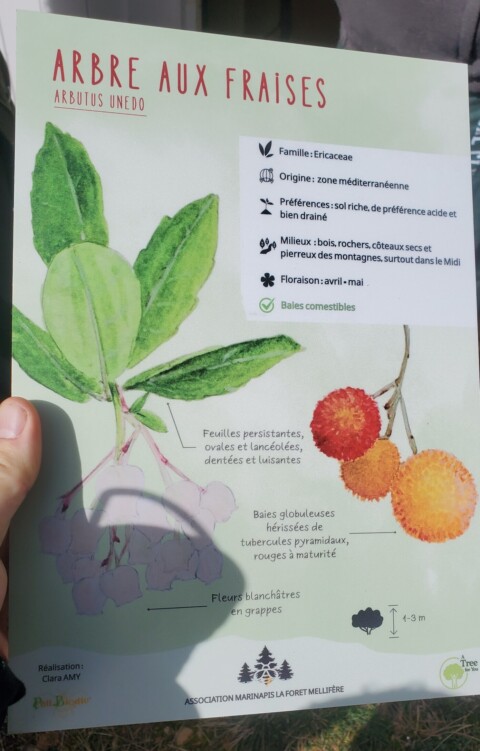
Thanks to your donations, a success!
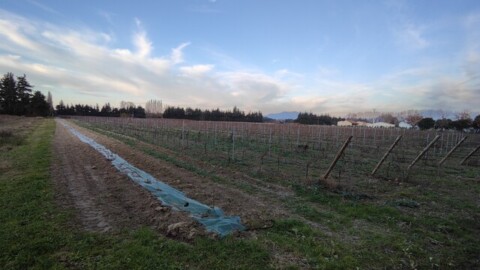
After planting 2,610 trees last year, the final phase of the winter planting programme for 2025/26 is currently being finalised in the field. A total of over 4,300 evergreen trees should be planted by the end of 2028.
Thank you so much for your support, which is helping restore colour and resources to this area and protect our precious black bees!